Traumatic injuries

What are traumatic injuries?
Trauma to the cervical spine is one of the most common causes of disability and even death after car accidents or falls. The types of neck injuries are numerous and their prognosis varies considerably. Many of these injuries have a poor prognosis. They can lead to paralysis of the limbs (quadriplegia or paraplegia) or in simpler cases cause only pain and mild neurological problems. They may also affect (to the point of abolishing) the ability to urinate or defecate. The higher up in the cervical spine the injury is, the more severe the symptoms. Early diagnosis and treatment by a qualified neurosurgeon is important. Surgical intervention is often necessary and involves immobilisation of the cervical spine with spinal fusion. These interventions are very common and their ineffectiveness is well documented in the literature.
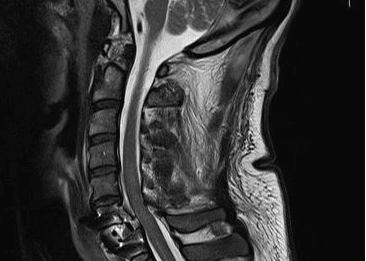
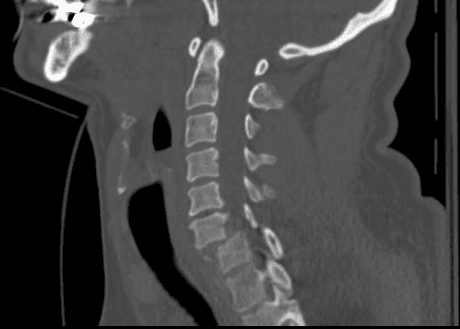
Traumatic dislocation A6-7 with concomitant tetraplegia.
The patient presented after a fall from a height with weakness in the upper limbs and complete immobility in the lower limbs. The prognosis based on the initial neurological picture was considered poor.
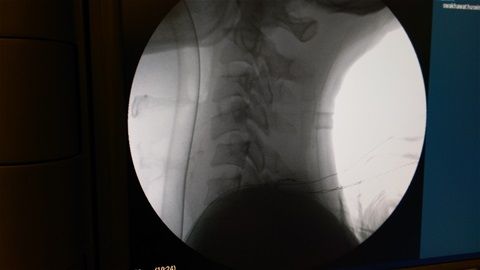
Intraoperative X-ray of reduction and spinal fusion A6-7.
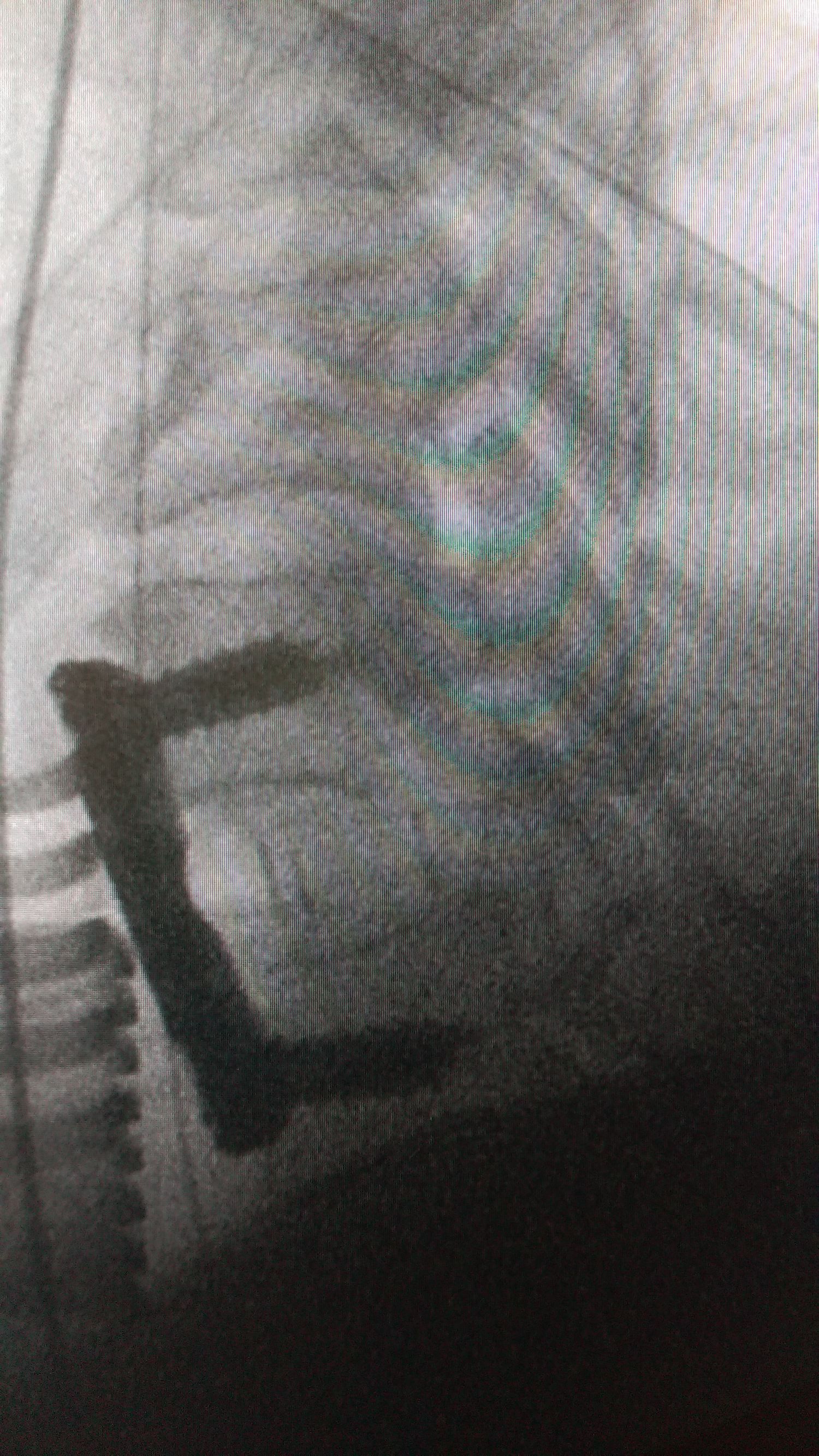
Postoperative MRI with the patient in gradual improvement and healing.
The patient's postoperative improvement was gradual and impressive. He followed a special months-long program at a rehabilitation center and full function is expected.